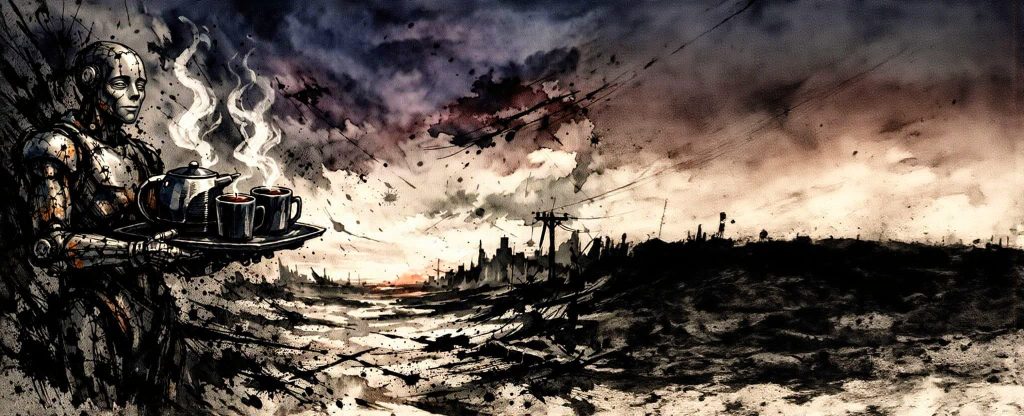
The Tool Doesn’t Make the CarpenterThere’s a conversation happening right now in every creative field, every design studio, every newsroom and architecture office and marketing department. It usually goes one of two ways.
Either someone insists that AI is going to replace everything, designers, writers, developers, the whole lot, and we should either panic or celebrate depending on our position in the food chain. Or someone insists that AI is just a fancy autocomplete, totally overrated, and real professionals have nothing to worry about because clients will always pay for authenticity and craft and human touch.
Both camps are wrong, and both camps are wrong in the same way. They’re talking about the tool, not the person holding it.
Here’s the thing about tools. A mediocre person with a great tool still gets a mediocre result. If even that.
I’ve seen this play out so many times it’s almost boring to describe. Someone picks up Midjourney, generates a hundred images, and calls themselves a visual artist now. Someone runs their brief through ChatGPT and pastes the output directly into the pitch deck. Someone uses GitHub Copilot to write code they don’t understand, in a codebase they couldn’t navigate without it.
The output looks like something. It has the shape of a thing. But it’s hollow, and the hollowness shows. Maybe not in the first glance, but in the second one.
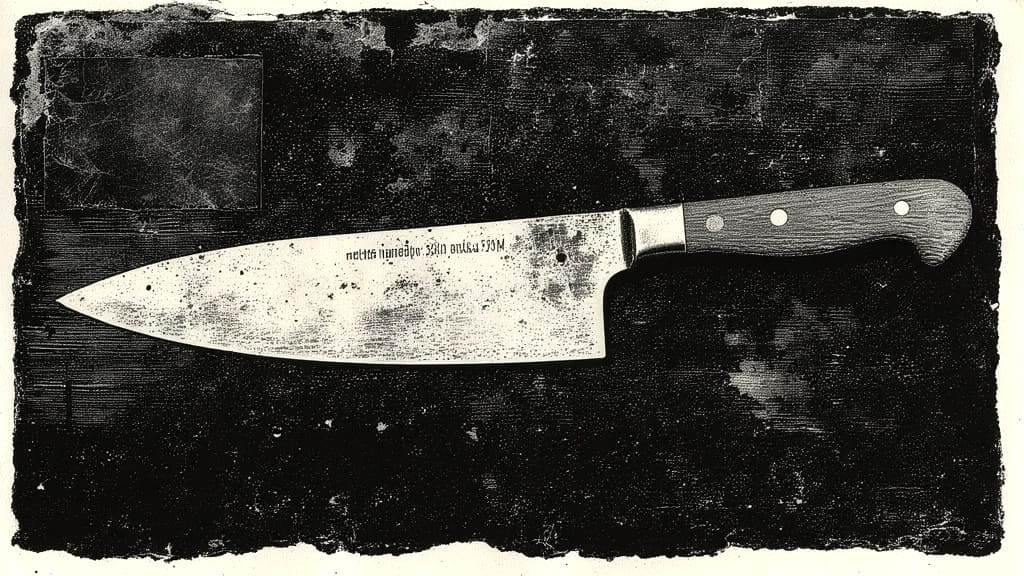
Good tools amplify what you already are. That’s their function. A sharp knife in the hands of a skilled cook is a different instrument than the same knife in the hands of someone who’s never learned to use their wrists. The knife doesn’t know the difference. The dish does.
AI tools are the same. Genuinely the same. What they amplify is judgment, the sense of what’s worth making, what’s worth keeping, what’s off and needs adjusting, when to stop and when to push further. And judgment isn’t something the tool provides. Judgment is something you either have or you’re in the process of developing, slowly, through work and failure and more work.
This is why the anxiety about AI replacing professionals is mostly misplaced. AI doesn’t threaten people with real judgment and a refined sensibility. It threatens people who were coasting on the mechanical parts of their work, the parts that were always going to be automated eventually, one way or another.
The flip side is equally true, and equally uncomfortable for the other camp.
Refusing to learn these tools, dismissing them out of hand, insisting that your traditional workflow is fine because it always has been, that’s not integrity. That’s the same defensive crouch craftspeople have struck in front of every disruptive technology since the printing press. Sometimes they were right to resist. More often they weren’t.
The question was never whether the tool is beneath you. The question is whether you’re curious enough, skilled enough, and honest enough to figure out where it actually fits.
So here’s where I’ve landed, for now. AI is the most revealing technology I’ve encountered in a long time. Not because of what it can do, but because of what it shows you about whoever is using it.
Put it in the hands of someone with taste, experience, and a genuine point of view, and interesting things start to happen. The work gets faster, stranger, more ambitious. Doors open that weren’t there before.
Put it in the hands of someone who was already producing forgettable work, and the output is forgettable. Just faster and in higher volume.
The tool is neutral about this. It doesn’t care. It performs equally for both.
The only thing that was never neutral was the person.